Insulation does not have a single expiration date. Its useful life depends on the material, installation quality, coverage depth, and whether it has been affected by moisture, pests, contamination, compression, or settling.
When insulation remains dry, properly installed, and undisturbed, it can perform well for decades. Still, age alone does not determine whether it is doing its job. In many homes, insulation needs attention because coverage has become uneven, gaps have developed, or moisture and pests have compromised the material.
RM Insulation works with homeowners, builders, remodelers, contractors, and commercial property owners throughout the Dallas–Fort Worth area. Call (214) 629-2669 to discuss an insulation evaluation or upgrade.
How Long Does Insulation Last in a House?
When properly installed and kept dry, most insulation types can last for decades. However, the exact lifespan varies considerably depending on the specific material and the conditions inside your attic, walls, or crawl space. Age alone isn't the best indicator of insulation performance; condition and coverage matter just as much, if not more.
Factors That Affect Insulation Lifespan
Several factors can significantly shorten insulation's effective lifespan, including:
- Moisture from roof leaks or plumbing issues
- Pest activity that displaces or contaminates material
- Poor attic ventilation that traps humidity
- Settling or compression over time
- General wear from Texas's intense summer heat cycling through attic spaces
How Long Does Fiberglass Insulation Last?
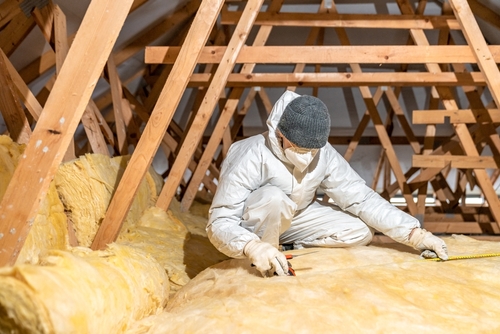
Fiberglass insulation, when kept dry and undisturbed, can often last 80 to 100 years in terms of the fibers themselves remaining physically stable. That said, its actual performance can decline much sooner due to settling, compression, and moisture exposure, which is why real-world effective lifespan is often considerably shorter than the potential material longevity.
Signs Fiberglass Insulation May Need Attention
Watch for signs including visibly compressed or flattened batts, gaps or areas with thin coverage, discoloration suggesting moisture exposure, and a noticeable increase in your energy bills without another clear explanation.
How Long Does Blown-In Insulation Last?
Blown-in insulation, often made from fiberglass or cellulose, can typically last 20 to 30 years or longer, but it's prone to settling over time, which reduces its effective coverage even if the material itself hasn't degraded.
When Blown-In Insulation Needs More Than a Top-Off
If blown-in insulation has settled significantly, simply adding more material on top, often called a top-off, can restore adequate coverage in many cases.
However, if the existing material shows signs of moisture damage, pest contamination, or significant deterioration, a top-off isn't enough, and the affected insulation needs to be fully evaluated, with damaged material cleared out through insulation removal before anything new goes in.
How Long Does Cellulose Insulation Last?
Cellulose insulation can typically last 20 to 30 years when properly installed and kept dry, though it's particularly vulnerable to moisture damage since it's made from recycled paper products treated with fire retardants.
Cellulose Insulation Red Flags
Watch for signs including a musty odor suggesting mold growth, visible clumping or matting, which indicates past moisture exposure, and insulation depth that falls below the level needed to meet the project’s target R-value
How Long Does Spray Foam Insulation Last?
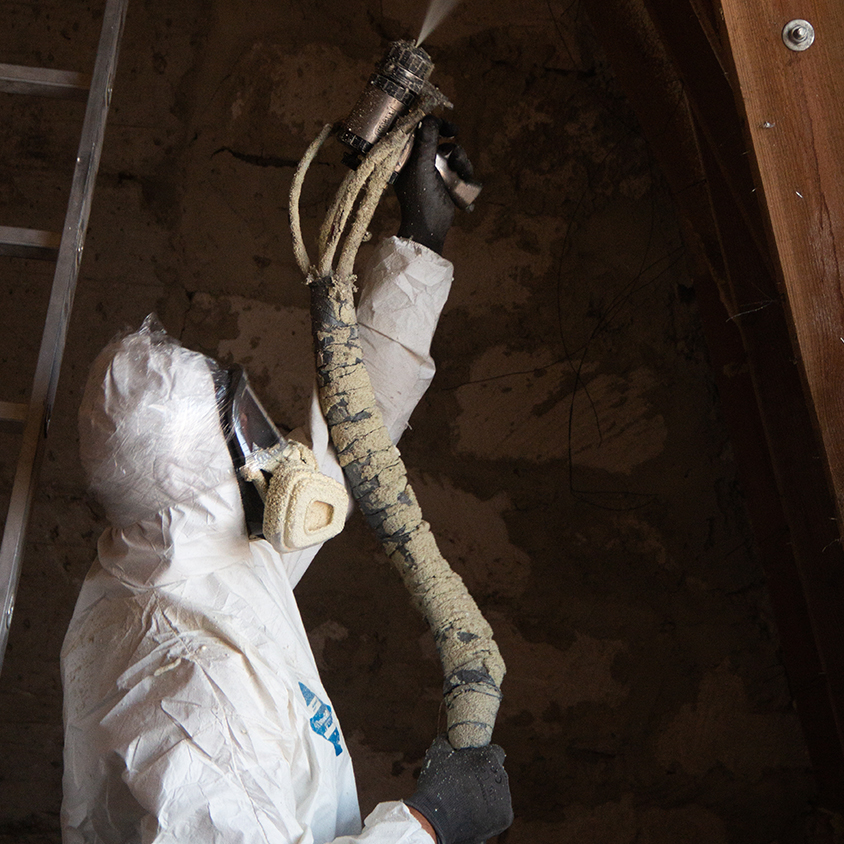
Spray foam insulation is often considered one of the longer-lasting insulation types, with many manufacturers indicating it can last upward of 80 years or more when properly installed and undisturbed.
Signs Spray Foam Insulation Should Be Evaluated
Watch for signs including cracking or crumbling of the foam, visible gaps where the foam has pulled away from surfaces, and discoloration that may indicate moisture intrusion behind the material.
How Long Does Mineral Wool Insulation Last?
Mineral wool insulation is known for its durability and can often last 50 years or longer, thanks to its natural resistance to moisture, fire, and pests compared to some other insulation materials.
Does Insulation Decay Differently in Different Parts of the Home?
Yes. Attic insulation generally faces the most extreme conditions in a Texas home, dealing with large temperature swings, roof leaks, air leaks, humidity, pests, and foot traffic, all of which can accelerate wear compared to insulation in other parts of the house.
Wall insulation is typically more protected from moisture and temperature extremes, often lasting longer in relatively stable condition, though house wrap may play an important role in managing moisture at the wall level before it ever reaches your insulation.
Crawl space insulation faces its own challenges, particularly ground moisture and humidity, which can shorten its effective lifespan if the space isn't properly managed.
Does Old Insulation Make a Home Less Energy Efficient?
As insulation settles, becomes compressed, or suffers moisture or pest damage, its ability to regulate temperature diminishes, which can lead to higher energy bills as your HVAC system works harder to compensate. This is true even if the insulation technically hasn't reached the end of its theoretical material lifespan; degraded condition, not just age, is what actually drives reduced performance.
Gaps around windows, doors, and other openings can compound this problem, which is why air sealing services are often just as important as the insulation itself when it comes to actual energy efficiency.
Should You Replace Insulation or Add More?
Whether to replace or simply add more insulation depends on the condition of what's already there. If your existing insulation is dry, free of pest activity, and simply thinner than recommended, adding more material on top is often a reasonable and cost effective solution.
If your existing insulation shows signs of moisture damage, mold, pest contamination, or significant deterioration, it generally needs to be removed and replaced rather than covered over, since burying damaged material under new insulation doesn't solve the underlying problem.
How Often Should You Check Your Insulation?
Consider having your insulation checked at least once every few years, and immediately after any event that could introduce moisture or damage, such as a roof leak, a pest infestation, or significant storm damage.
ENERGY STAR specifically recommends addressing issues like wet insulation, roof leaks, pest activity, moldy or rotted attic framing, improper moisture venting, and limited ventilation before undertaking any insulation work, since these underlying issues need to be resolved first or they'll continue to damage new insulation as well.
RM Insulation Can Help Evaluate and Upgrade Your Insulation
It is not always easy to tell whether existing insulation needs a top-off, targeted repairs, removal, or full replacement. Coverage depth, moisture history, pest activity, contamination, and the condition of the surrounding building assembly all matter.
RM Insulation works with homeowners, builders, remodelers, contractors, and commercial property owners across the Dallas–Fort Worth area to evaluate insulation needs for new construction, renovations, and upgrades. Our services include fiberglass, cellulose, mineral wool, spray foam, air sealing, house wrap, and insulation removal.
If you are planning an insulation upgrade or have concerns about damaged or underperforming material, contact RM Insulation at (214) 629-2669 to discuss your project.