Attic insulation can last for decades, but age alone doesn’t tell you whether yours is still doing its job. Water damage, pests, compression, and gaps can all reduce how well insulation performs, and some of these problems mean the old material should come out.
At RM Insulation, we help Dallas–Fort Worth homeowners improve attic insulation and address gaps, damage, and uneven coverage. If you’re not sure whether your attic insulation needs to be replaced, topped off, or simply left alone, we can help. Call (214) 629-2669 to schedule an attic inspection.
How Often Does Attic Insulation Need to Be Replaced?
There’s no fixed replacement schedule for attic insulation. Many materials can last for decades when they stay dry and undamaged, as explained in our guide on how long insulation lasts by material type. An inspection can help determine whether existing insulation needs replacement, additional coverage, or no changes.
7 Signs Your Attic Insulation May Need to Be Replaced
Contaminated or damaged insulation may need removal, while clean, dry insulation with thin or uneven coverage may only need additional material.
1. Your Insulation Is Wet or Water-Damaged
Wet insulation can lose effectiveness, and persistent attic moisture can contribute to mold growth and wood rot. Water stains on the insulation, ceiling, or roof decking often point to a roof leak or condensation problem. The leak or moisture source needs to be fixed first, and insulation that’s been soaked should generally be removed rather than covered up.
2. You Notice Musty Odors or Suspected Mold
A persistent musty smell coming from the attic or upstairs rooms can indicate a moisture problem, such as a leak or a bathroom fan venting into the attic instead of outside. Adding insulation won’t correct the moisture source. If insulation is mold contaminated, the affected material may need removal before new insulation is installed.
3. Pests Have Contaminated or Damaged the Insulation
Rodents, raccoons, birds, and insects often nest in attic insulation. They can tunnel through it, compress it, and leave droppings and urine behind. Contaminated insulation can create odors and sanitation concerns, and damaged areas no longer insulate evenly. ENERGY STAR notes that insulation containing animal waste is one of the situations where existing insulation shouldn’t simply be left in place. Once the pests are gone and entry points are sealed, contaminated or substantially damaged insulation may need removal and replacement. The extent of removal depends on how much material is affected.
4. The Insulation Is Compressed, Matted, or Physically Damaged
Fiberglass batts and loose-fill insulation rely on appropriate thickness and coverage to provide their intended thermal resistance. Over time, loose-fill insulation can settle, and batts can become compressed by storage boxes, foot traffic, or work done in the attic. Minor settling may only require adding more, but insulation that’s heavily damaged or crushed may need to be removed and replaced to restore even coverage.
5. You See Bare Spots or Uneven Insulation Coverage
Gaps and thin areas reduce resistance to heat transfer between your attic and living space. Bare spots often appear near attic access points, around recessed lights, along the edges of the attic, or where contractors have worked. If the material is clean and dry, the fix may simply be filling gaps and adding insulation to reach a consistent depth.
6. Upstairs Rooms Are Harder to Keep Comfortable
If upstairs rooms feel noticeably hotter in summer or colder in winter than the rest of the house, your attic insulation may not be keeping up. During North Texas summers, inadequate or damaged attic insulation can increase heat transfer into the rooms below. Comfort problems can also come from air leaks, ductwork issues, or ventilation, so an inspection helps pinpoint the cause.
7. Your Heating and Cooling Energy Use Has Increased Without a Clear Explanation
If your heating or cooling energy use has increased without comparable changes in weather, thermostat settings, or household activity, inadequate attic insulation could be a contributing factor. Thin or damaged insulation and unsealed air leaks can increase heating and cooling demand. Rising energy use on its own doesn’t prove the insulation is the problem, but combined with other signs, it’s worth having your attic checked.
Should You Replace Attic Insulation or Just Add More?
Not every attic needs a full replacement. In many cases, adding insulation is the more practical option.
When Adding More Insulation May Be Enough
According to ENERGY STAR, existing insulation usually doesn’t need to be removed unless it’s wet, moldy, smelly, or contains animal waste. If your insulation is dry, clean, and free of pests but simply too thin or uneven, adding more insulation on top, often called topping off, can bring your attic up to the recommended level. Our attic insulation services include adding fiberglass insulation and other materials to improve coverage.
When Removal and Replacement May Be the Better Option
Removal is usually the better choice when insulation is contaminated, water-damaged, moldy, or heavily damaged, or when the attic floor needs significant repairs or air sealing that can’t be done with the old material in place. If you suspect vermiculite insulation, which can look like small, gray-brown or silvery pebbles, don’t disturb it. EPA recommends assuming vermiculite may contain asbestos. If planned work would disturb it, consult a trained and accredited asbestos professional.
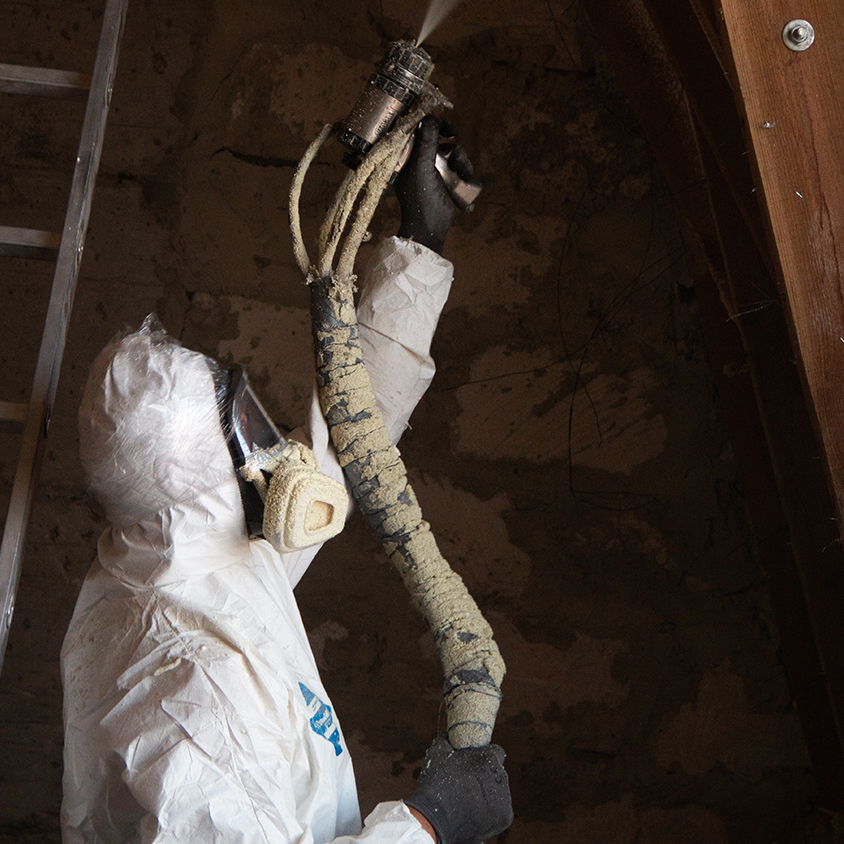
For insulation that does not require asbestos-related precautions, our insulation removal team can remove damaged material and prepare the attic for replacement.
Why Air Sealing and Ventilation Matter, Too
Fiberglass and other air-permeable insulation materials don’t seal gaps around light fixtures, plumbing, wiring, and attic hatches. ENERGY STAR recommends sealing these air leaks before adding insulation so the new material can perform as intended. Proper ventilation also helps control moisture and heat buildup. Fiberglass and other air-permeable insulation materials don’t replace air sealing around light fixtures, plumbing, wiring, and attic hatches.
How Can You Check Whether It’s Time for New Attic Insulation?
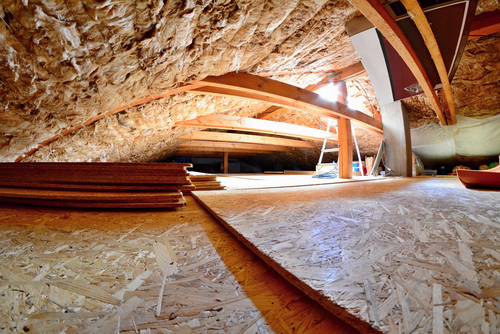
If your attic has safe access and a secure walking surface, you may be able to check visible areas without disturbing the insulation. Avoid entering areas with exposed wiring, suspected contamination, or uncertain footing. Look for dampness, water stains, musty odors, pest activity, damaged material, or gaps in coverage.
If you’re unsure what you’re seeing or your attic is difficult to access, a professional inspection is the safest option.
How RM Insulation Can Help With Attic Insulation Replacement
RM Insulation has served homeowners in Carrollton, Dallas, and the surrounding DFW area for more than 25 years. We inspect your attic, explain what we find, and recommend the right solution, whether that’s adding insulation, removing contaminated or damaged material, or combining new insulation with air sealing. We work with fiberglass, spray foam, mineral wool, and other materials to match your home’s needs and budget.
If you’ve noticed any of these signs, or you just want to know where your attic stands, call (214) 629-2669 to schedule an inspection with RM Insulation.