One of the most common questions builders and property owners ask before scheduling insulation work is how long does spray foam take to dry. Drying and curing times are important for project planning, safety, and knowing when other trades can return to the job site. While spray foam insulation begins to harden quickly, the full process takes longer than many people expect.
At RM Insulation, helping clients understand the spray foam drying timeline is part of delivering reliable and efficient insulation solutions. Knowing what happens after application and what factors affect drying time can help builders avoid delays and keep projects on schedule.
The Spray Foam Drying Process
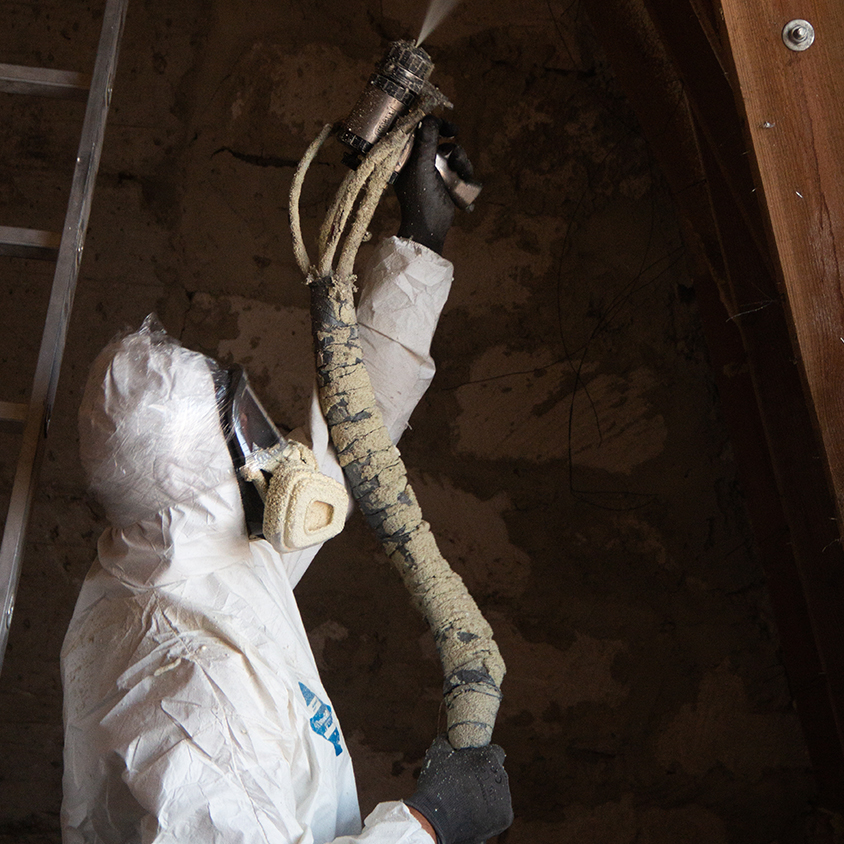
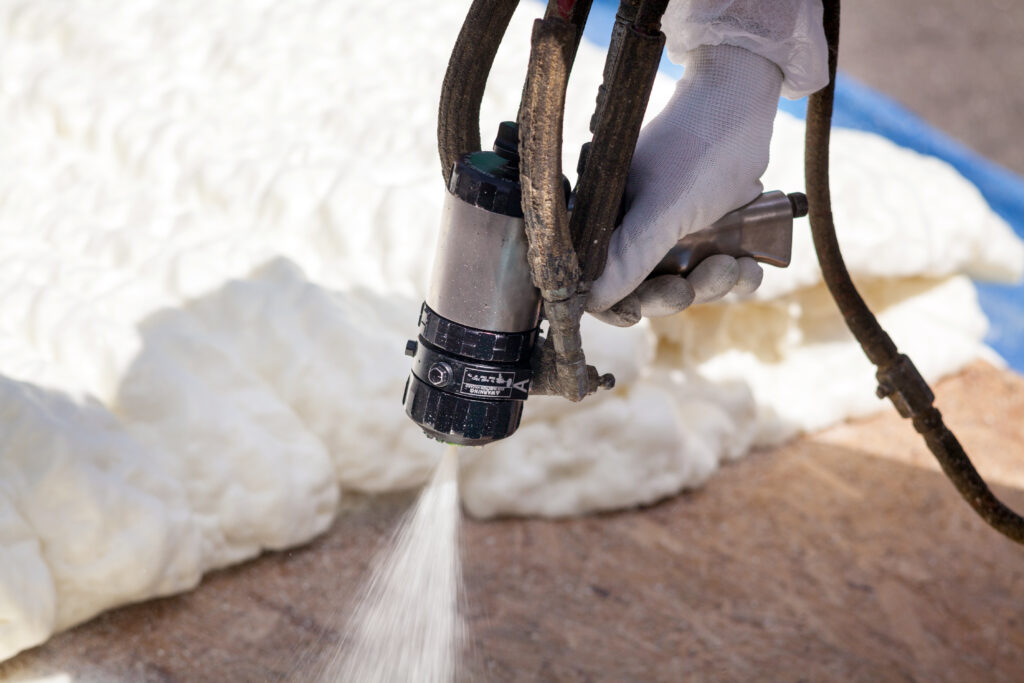
Spray foam insulation is applied as a liquid mixture that expands rapidly when sprayed onto surfaces. Once applied, the foam begins to expand, fill gaps, and adhere to framing, walls, or roof decks. This expansion happens within seconds and allows the material to create an effective air seal.
As the foam expands, it also begins to harden. The chemical reaction that causes expansion generates heat, which helps the foam set and begin curing. While the surface may feel dry relatively quickly, the foam continues to cure beneath the surface for several hours or even days.
The Difference Between Tack-Free and Fully Cured
When discussing spray foam dry time, it is important to distinguish between tack-free and fully cured.
- Tack-free refers to the point when the foam is no longer sticky to the touch
- Fully cured means the foam has completed its chemical reaction and reached its maximum strength, insulation value, and stability.
Builders can often resume light work once the foam is tack-free, but cutting, trimming, or enclosing the foam should wait until it is fully cured to avoid damage or performance issues.
Factors That Affect Spray Foam Drying Time
Several variables influence how long it takes spray foam to dry and cure. Understanding these factors can help builders plan installation timing more accurately.
Ambient temperature and humidity play a major role in drying time. Warmer temperatures typically allow the foam to cure faster, while cooler or more humid conditions slow the process. Excess moisture in the air can interfere with the chemical reaction that allows the foam to harden properly.
Foam thickness and type also matter. Thicker applications take longer to cure than thinner passes. Open-cell and closed-cell spray foam have different densities and curing characteristics, which affects overall spray foam cure time.
Airflow and ventilation during application can also impact drying. Proper airflow helps dissipate heat and moisture, allowing the foam to cure more evenly and efficiently.
Average Drying Times for Spray Foam
While exact drying times can vary based on conditions, there are general timelines builders can use for planning purposes.
Open-Cell Spray Foam
Open-cell spray foam is lighter and more flexible, which allows it to cure faster than closed-cell foam.
- Tack-free: 1 to 2 hours
- Fully cured: 8 to 24 hours
Because open-cell foam cures relatively quickly, it is often preferred for interior applications where faster turnaround is needed.
Closed-Cell Spray Foam
Closed-cell spray foam is denser and more rigid, which provides higher insulation values but requires a longer curing period.
- Tack-free: 1 to 2 hours
- Fully cured: 24 to 72 hours
Builders using closed-cell foam should plan for additional curing time before trimming, covering, or allowing heavy activity near the insulated area.
How Temperature and Humidity Impact Drying
Environmental conditions have a direct effect on how long it takes spray foam to dry. Most manufacturers recommend applying spray foam within specific temperature and humidity ranges to ensure proper curing.
The ideal temperature for spray foam application is typically between 60 and 80 degrees Fahrenheit, or 15 to 27 degrees Celsius. Ideal humidity levels usually fall between 30 and 50 percent.
How Cooler or More Humid Conditions Extend Drying Times
When temperatures drop below the recommended range, the chemical reaction that allows the foam to expand and cure slows down. This can result in longer curing times and may affect foam performance if not managed correctly.
High humidity introduces excess moisture into the air, which can interfere with adhesion and curing. In these conditions, spray foam dry time may extend beyond average expectations, and additional ventilation or climate control may be necessary.
Best Practices for Faster Drying
While drying times cannot be rushed excessively, following best practices can help ensure spray foam cures as efficiently as possible.
Ensuring proper ventilation and airflow during and after application helps remove moisture and heat buildup. Using fans or ventilation systems can support consistent curing.
Regulating temperature and humidity before and during application is also critical. Builders may need to heat or cool the space or use dehumidifiers to maintain ideal conditions.
Following manufacturer guidelines for each spray foam product is essential. Different formulations have specific application requirements, and adhering to them helps avoid extended cure times or performance issues.
Safety and Re-Entry After Spray Foam Application
Safety is a critical consideration during and after spray foam installation. While the foam may become tack-free within a few hours, the curing process continues beyond that point.
Most professionals recommend waiting at least 24 hours before re-entering the area without protective equipment. This allows fumes to dissipate and ensures the foam has cured sufficiently.
Ready to Get Started with Spray Foam Insulation? Contact RM Insulation Today
Knowing how long spray foam takes to dry helps builders plan projects more effectively and avoid unnecessary delays. With proper preparation, professional installation, and attention to environmental conditions, spray foam insulation can be both efficient and reliable.
RM Insulation provides expert spray foam insulation services for residential and commercial projects throughout the Dallas area. Whether you are building new construction or upgrading an existing property, working with an experienced insulation contractor helps ensure the job is done right the first time.
To learn more about available services or to discuss your project timeline, contact us today at (214) 629-2669 to schedule your spray foam insulation appointment. Getting clear answers upfront can help keep your project on track and deliver long-term energy efficiency benefits.