When it comes to building or upgrading homes in Dallas, complying with Texas’s strict insulation codes isn’t just a box to check; it’s a necessity. These regulations are designed to ensure your home stays energy-efficient, safe, and up to code, so you don’t end up paying the price later. Insulation isn’t just about keeping your home cool in the blazing Texas heat or locking in warmth during those rare cold snaps; it’s about maximizing efficiency, cutting energy costs, and maintaining the structural health of your property.
For almost 30 years, RM Insulation has been the go-to team in Texas for expert insulation solutions. Contact RM Insulation today to schedule your consultation and take the first step towards energy efficiency, compliance, and lasting results. Your project deserves the expertise of a team that’s been building smarter, not harder, since day one.
Key Requirements of the Texas Insulation Code
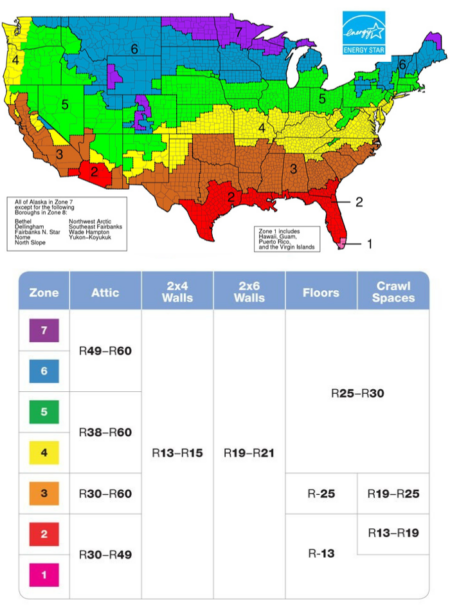
The Texas insulation code outlines minimum insulation and air-sealing requirements designed to improve comfort, reduce energy loss, and keep homes in compliance with state and local building standards. Because Texas spans multiple climate zones, the exact attic insulation requirements, wall R-values, and other insulation building code standards depend on whether the home is in Zone 2A, 3A, or 4A.
For homeowners and builders, that means insulation Texas requirements are not one-size-fits-all. A home in South Texas will have different attic insulation code requirements than a home in North Texas, and the texas attic insulation r-value may be higher in cooler zones to improve thermal performance. For example:
| Building Area | Zone 2A | Zone 3A | Zone 4A |
| Wood-frame walls | R-13 | R-20 or 13+5 ci | R-20 or 13+5 ci |
| Ceiling/attic insulation | R-38 | R-38 | R-49 |
| Floors over unconditioned space | R-13 | R-19 | R-30 |
| Crawl space walls | N/A | R-13 or 5 ci | R-13 or 10 ci |
| Slab edge insulation | N/A | R-10, 2 ft | R-10, 4ft |
| Fenestration | U-0.40 | U-0.35 | U-0.35 |
| Air sealing / Duct Leakage | 5 ACH50 / 4 CFM25 per 100 sq.ft. | 3 ACH50 / 3 CFM25 per 100 sq.ft. | 3 ACH50 / 3 CFM25 per 100 sq.ft. |
Why Texas Insulation Code Matters for Dallas Homeowners
For Dallas homeowners, adhering to the Texas insulation code is about enhancing daily living and securing long-term value for your home. Proper insulation plays a crucial role in maintaining energy efficiency and ensuring consistent indoor temperatures, even in the face of Texas’s scorching summers and occasional chilly winters. By meeting these standards, homeowners can enjoy a host of benefits that improve both comfort and safety.
Here’s why upholding Texas insulation codes and standards in your home is essential:
- Energy Efficiency: Minimize energy loss and reduce the strain on your heating and cooling systems.
- Cost Savings: Lower utility bills by optimizing how your home retains and resists heat.
- Preventing Moisture and Mold: Proper insulation helps control moisture, reducing the risk of mold growth and potential structural damage.
- Ensuring Home Comfort: Maintain a consistent indoor environment, free from drafts and hot or cold spots.
- Home Safety: Meet building codes that prioritize fire resistance and overall property safety.
Investing in code-compliant insulation means not only creating a comfortable and efficient living space but also protecting your home’s longevity and your family’s well-being.
What Happens if a Home Does Not Meet Texas Insulation Code?
Failing to meet Texas insulation code requirements can lead to more than just higher energy bills. Homes that do not comply with insulation building code standards may struggle to maintain consistent indoor temperatures, placing added strain on HVAC systems and increasing long-term utility costs. In Texas where extreme heat is common, insufficient insulation can quickly impact comfort and efficiency.
Non-compliance with building code insulation requirements in Texas can also create complications during home inspections, appraisals, or resale. Buyers and inspectors may flag outdated or insufficient attic insulation requirements, which can delay transactions or reduce property value. In some cases, homeowners may be required to make upgrades to meet current Texas attic insulation code standards before closing.
Beyond financial concerns, improper insulation can contribute to moisture buildup, poor air sealing, and even mold growth. These issues can affect indoor air quality and lead to structural damage over time. Ensuring your home meets current Texas insulation standards, including proper R-value requirements, helps protect both your investment and your long-term comfort.
Common Insulation Code Violations in Dallas Homes
Texas homeowners often face unintentional insulation code violations that can put both their home’s efficiency and structural integrity at risk. These violations, whether due to outdated insulation or improper installation methods, can lead to higher energy costs, uncomfortable living conditions, and even long-term damage to your property. Without compliance, your home may struggle to maintain its insulation effectiveness, leaving it vulnerable to moisture issues or temperature inconsistencies.
To prevent these problems, it’s essential to identify and address common code violations, such as:
- Inadequate R-values: Failing to meet the required insulation resistance levels, leaving your home poorly insulated and inefficient.
- Improper Installation Techniques: Leaving gaps, compressing insulation, or failing to seal joints, which diminishes overall performance.
- Moisture Barrier Issues: Absence or improper placement of vapor barriers can lead to trapped moisture, increasing the risk of mold or rot.
To safeguard your home and ensure it is up to code, it’s crucial to reach out to a professional insulation company. Experts can assess the current state of your insulation, identify code violations, and provide tailored solutions to restore your home’s energy efficiency and safety.
Common Types of Insulation Used in Texas Homes
Choosing the right insulation is essential for meeting Texas insulation code requirements and achieving optimal energy efficiency. Different materials offer varying levels of thermal resistance, and selecting the appropriate option depends on your home’s structure, location, and compliance needs with Texas attic insulation R-value standards. Common types of insulation found in Texas homes include:
- Fiberglass insulation is one of the most widely used materials due to its affordability and effectiveness. It is commonly installed in attics and walls and can meet attic insulation code requirements when properly fitted and sealed.
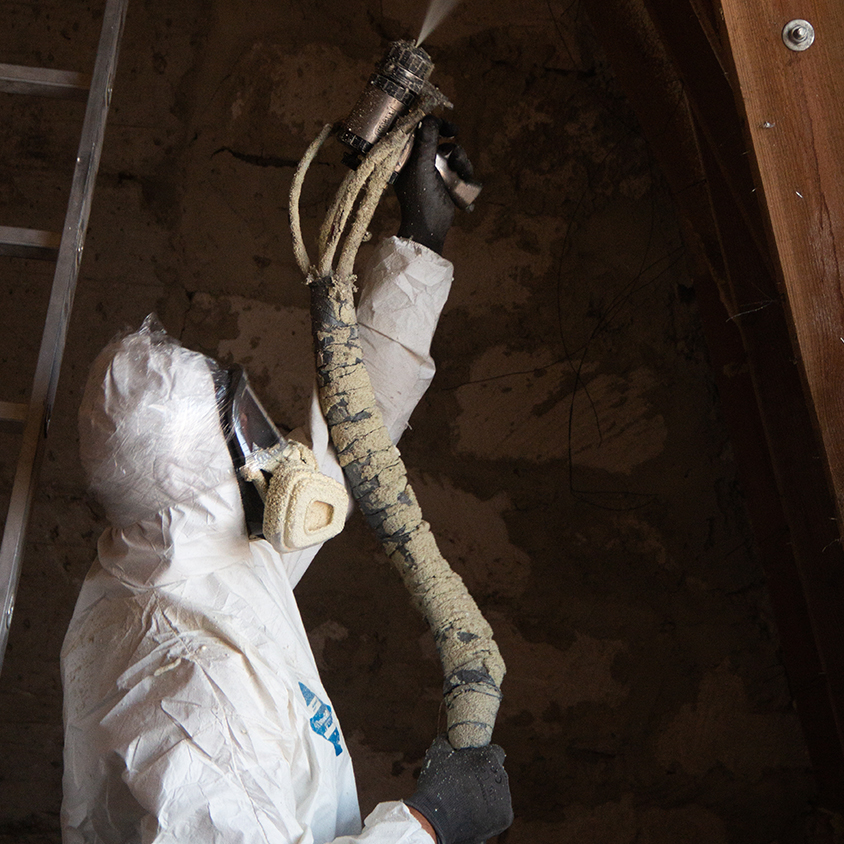
- Spray foam insulation is another popular option in Texas, offering superior air sealing and higher R-value performance, making it ideal for hot climates and stricter building code insulation requirements in Texas.
- Cellulose insulation, made from recycled materials, is often used for attics and wall cavities and provides solid thermal performance when installed correctly.
- Rigid foam board insulation is also used in certain applications, particularly for exterior walls and foundations, where higher R-value requirements are necessary.
Each of these insulation types can help homeowners meet Texas insulation code standards when installed by experienced professionals and tailored to the appropriate climate zone.
How RM Insulation Helps You Stay Compliant
When it comes to staying compliant with Texas insulation codes, RM Insulation has you covered. Whether you need professional assessments, removal of old or ineffective insulation, or high-performance installations like spray foam or fiberglass, our seasoned crew has you covered. RM Insulation doesn’t believe in one-size-fits-all solutions; we tailor our services to meet the unique needs of your home or commercial project, ensuring your insulation not only meets regulations but exceeds expectations.
By addressing existing code violations and ensuring proper installation techniques, we help maximize your home’s energy efficiency, lower utility bills, and keep your indoor spaces comfortable year-round. With years of experience and a commitment to excellence, RM Insulation can save you money while protecting your home’s value and safety. Contact RM Insulation today and ensure your home is up to code with reliable, professional insulation services designed to meet your needs.insulation services designed to meet your needs.